[ Design Label ] In Conversation with Ini Neumann, Founder of We Are Studio Studio.
[ Werbung / Transparency note: Products were provided in connection with this feature. No publication obligation was agreed upon; this interview was created at my editorial discretion. ]
Today I’m speaking with Ini Neumann, founder of We Are Studio Studio.
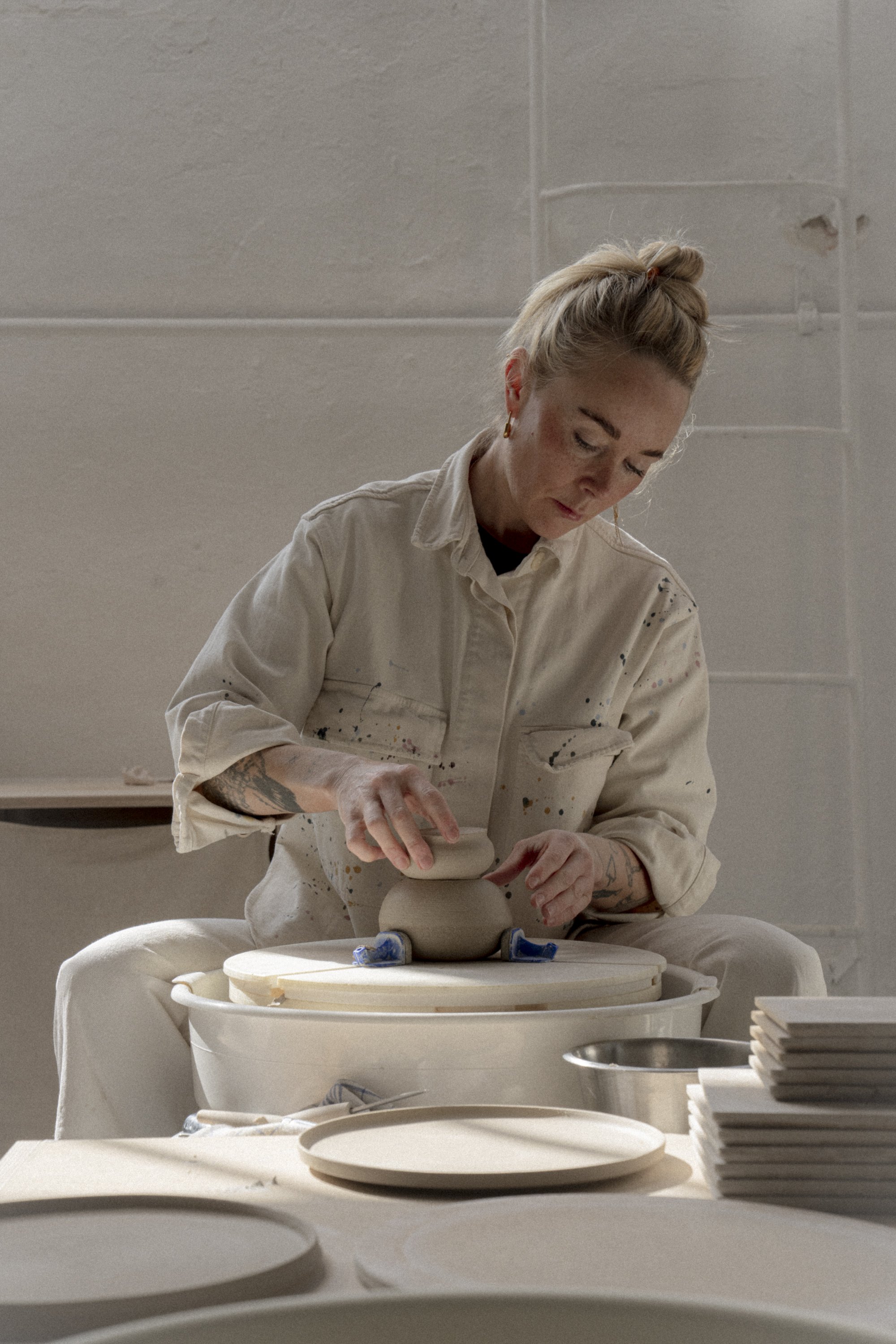
Ini Neumann, founder of We Are Studio Studio. / Photo by Laura Onvlee.
{ We Are Studio Studio is a contemporary design label based in Hamburg. With clear shapes, a mainly natural colour palette, and the highest quality, We Are Studio Studio creates pieces that are as beautiful as they are sustainable and long-lasting. }
Hi Ini,
I’d love to start with some of my favourite questions — about the journey into your current role and profession. It’s a topic that feels very personal to me, as someone who came into a creative field from a completely different background. I think many people don’t arrive in creative work right away, but find their way into it later in life, often through big changes or important decisions — and those stories can be incredibly encouraging to others.
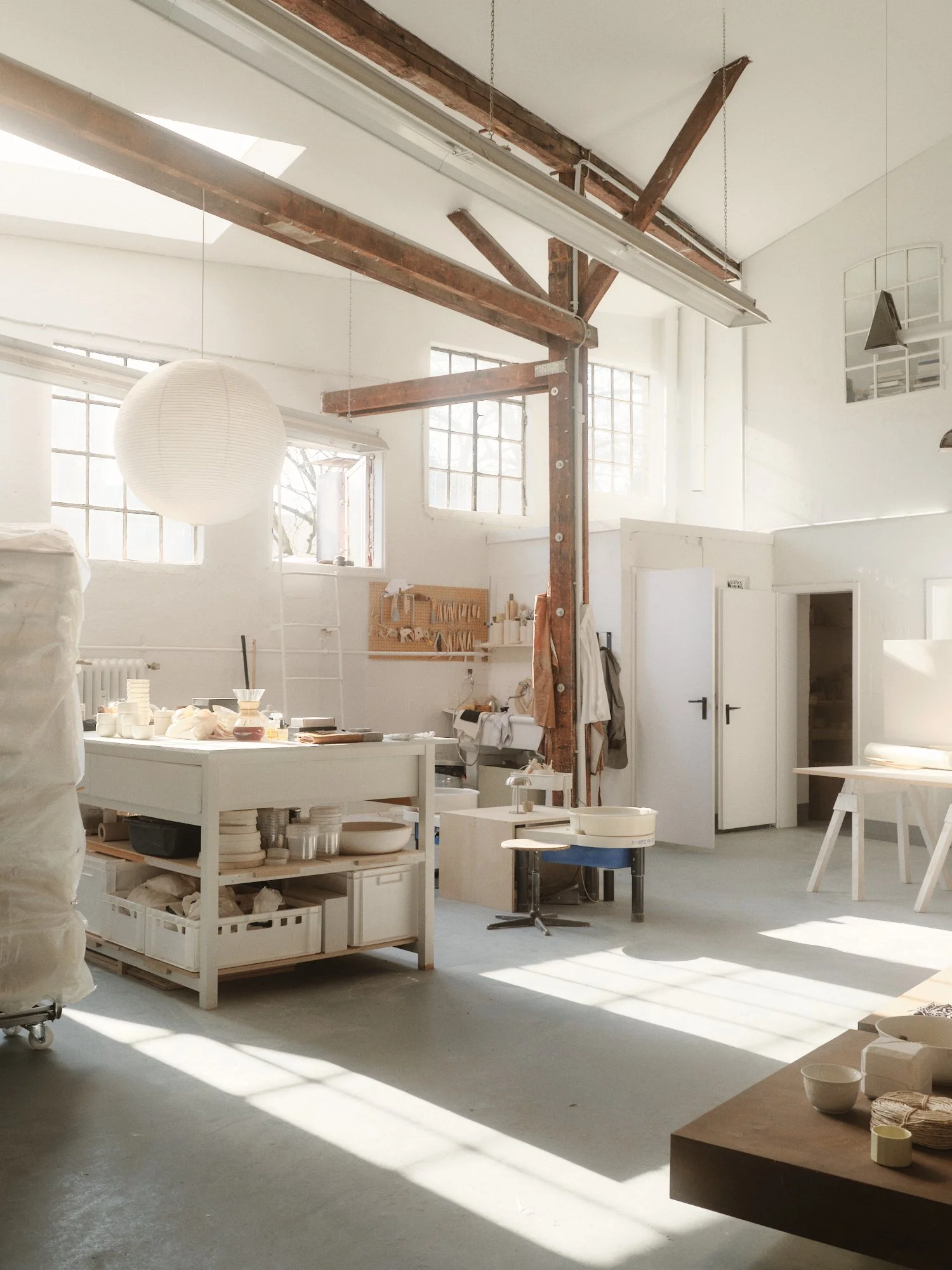
Photo by Jonas von der Hude.
What were you doing before your studio or ceramics became your main focus, and what did your professional path or your professional world look like back then?
Before I founded the studio in 2016, I mainly worked as an illustrator and art director, which I still do to some extent today. But back then, my main focus was on branding and visual identity, and especially illustration.
I worked for a lot of magazines, mostly in the editorial field, and occasionally in advertising. So my world was very much rooted in illustration, creating images, and working within that visual language.
Was your path into ceramics and founding your studio something you had always envisioned, or did it happen more unexpectedly? Can you tell us how that transition unfolded for you?
I’ve always had a fascination for craftsmanship, but not specifically for ceramics. It was more about working with my hands in general, drawing, making, shaping things. I’m a very tactile person. I need to touch things to understand them. I think my brain works best through my hands. That’s how I process the world.
At some point, with illustration and the work I was doing back then, I started to feel underchallenged. I was bored. And then I kind of accidentally stumbled into a ceramics workshop.
I loved it and kept going, but at the beginning, there was definitely no intention to turn it into a business. It was just something that felt very satisfying and gave me a lot.
Over time, it developed very organically. I started producing more, learning more, and going deeper into the material. And naturally, I began to create series and develop products. I think it’s in my nature to eventually professionalise things. I rarely stay in a space where something is “just a hobby.” At some point, I start asking, how could this become something bigger, something structured.
Which can also be a bit tragic sometimes, because I find it hard to just do something for the sake of it. I tend to look for purpose quite quickly.
People started asking if they could buy my pieces, and that’s how it slowly turned into a real business.
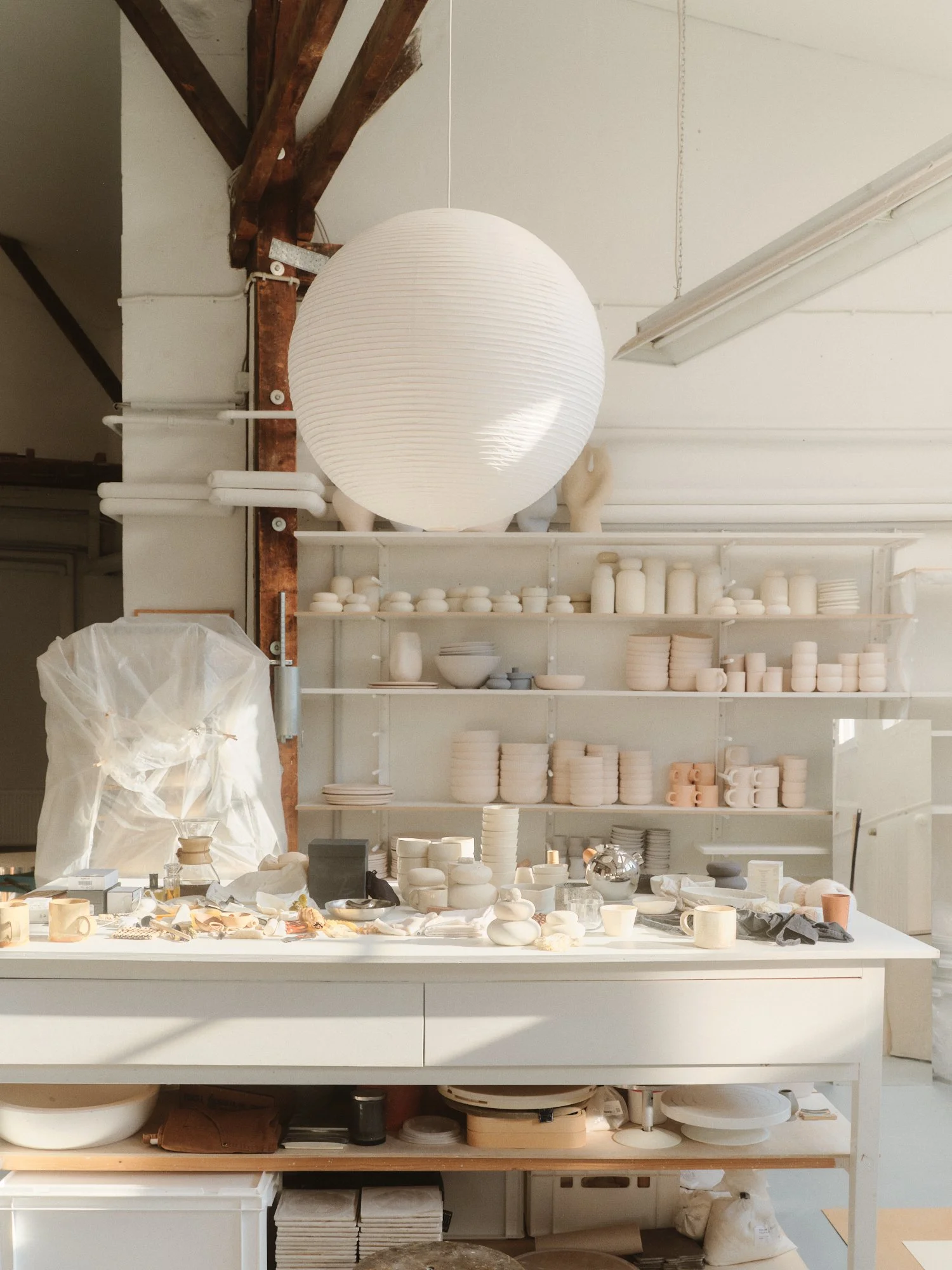
Photo by Jonas von der Hude.
Ceramics is a slow process — drying, firing, and sometimes unpredictable results. What have these slowness and unpredictability taught you, both as an artist and as a person?
Patience. Really, patience.
I’m actually quite an impatient person by nature, and ceramics has taught me humility. It also completely shifted the way I look at handmade objects, craftsmanship, and even consumption in general.
I don’t really want things anymore that are quickly produced or driven by trends that last for three or six months. I want objects that have a certain depth, something like a soul. And you can feel that in handmade work.
For me, it creates calm. It slows things down. It’s a counterbalance to social media and the speed of everything else around us. Having a job that simply cannot be rushed is incredibly grounding.
And every time I try to speed things up, because I feel pressure or think I should be faster, whether it’s because of clients, money, or deadlines, it usually goes wrong. Ceramics doesn’t like to be rushed.
You founded your studio in 2016. How have your aesthetic and your philosophy evolved since the early days of the studio?
Over time, as I’ve become more experienced with the craft, my perspective on materials, glazes, and processes has deepened a lot.
My standards have become more refined, more precise, more intentional. And of course, I’ve changed as a person over the last ten years, and that naturally reflects in my work.
In the beginning, there was a lot of experimentation. I had to figure out where I wanted to go. Everything felt a bit more playful, maybe a bit less defined.
Now, I feel like my work has grown up. It has become calmer, clearer, and more reduced. Sometimes I think of it like stages, in the beginning, they were like children, then came a kind of teenage phase, and now it feels more mature, more settled.
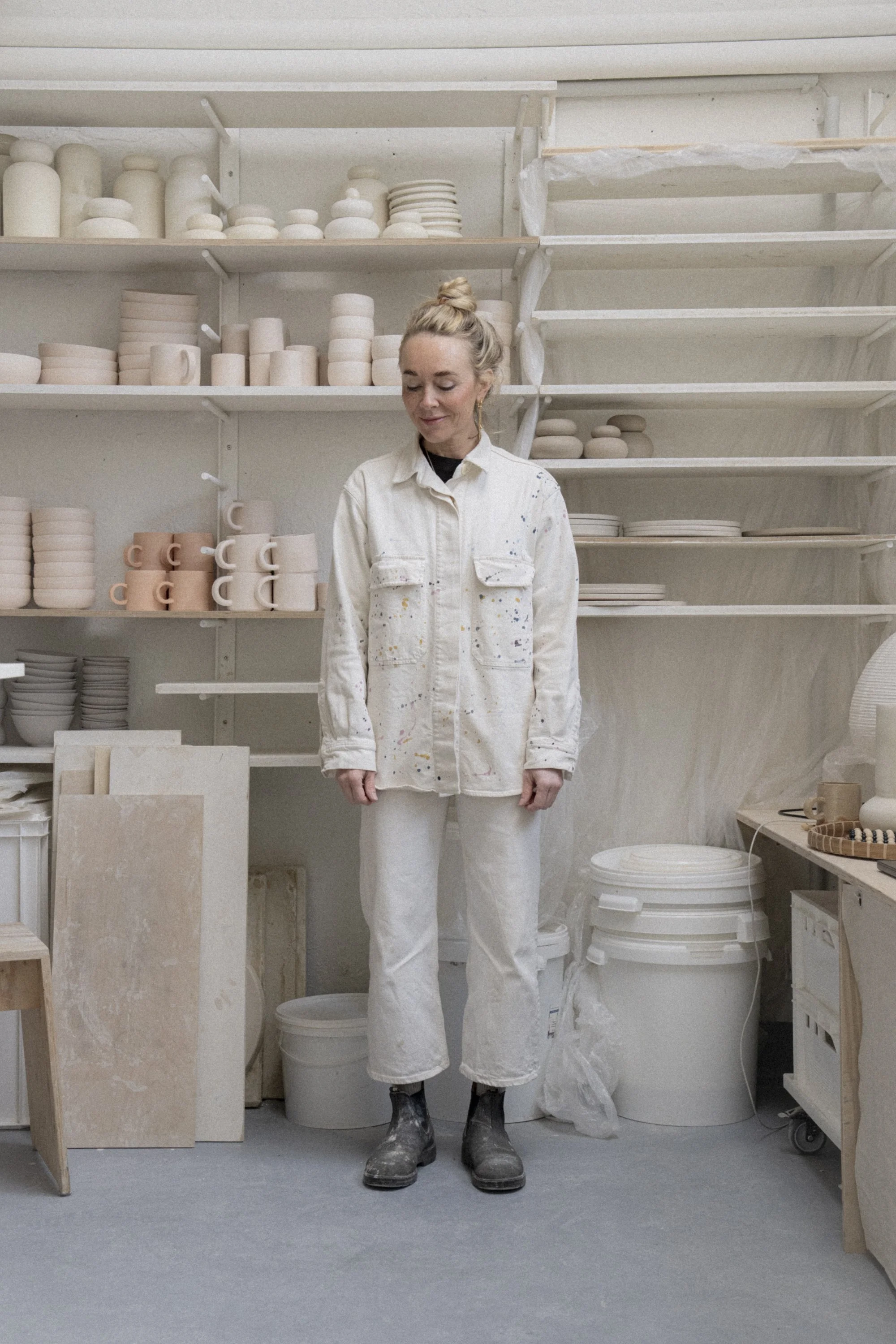
Ini Neumann, founder of We Are Studio Studio. / Photo by Laura Onvlee.
Some designers say objects “speak” to the spaces they live in. What kind of atmosphere do you hope your pieces create around them?
I really believe that objects do speak to the spaces they’re in.
For me, it’s about creating a sense of calm. A quiet confidence in aesthetics. Something that feels effortless.
I want my pieces to carry a certain softness, a sense of femininity, and a kind of understated beauty.
And most importantly, I want them to create a feeling of ease. That you look at something and it feels so right, so beautiful in a quiet way, that it actually calms your nervous system.
Many people today seem to be rediscovering craft and handmade objects. Why do you think contemporary culture is returning to handcrafted things?
I hope that’s true.
I don’t think craftsmanship ever really disappeared; it just became very quiet for a while, overshadowed by industrial production, fast fashion, fast interiors, all of that.
But now, with everything around us becoming faster and more digital, especially with AI and constant input, there’s a growing need for slowness.
Handmade objects carry exactly that. They hold a different kind of energy. Something intentional, something that took time.
We see it everywhere: people travelling to places without internet, wanting simpler environments, reconnecting with nature. There’s a deep longing for something more grounded.
And handmade objects, whether it’s a ceramic piece, a garment, or a piece of furniture, carry that sense of time, intention, and care. And that feels good. It gives stability in a world that can feel quite overwhelming.
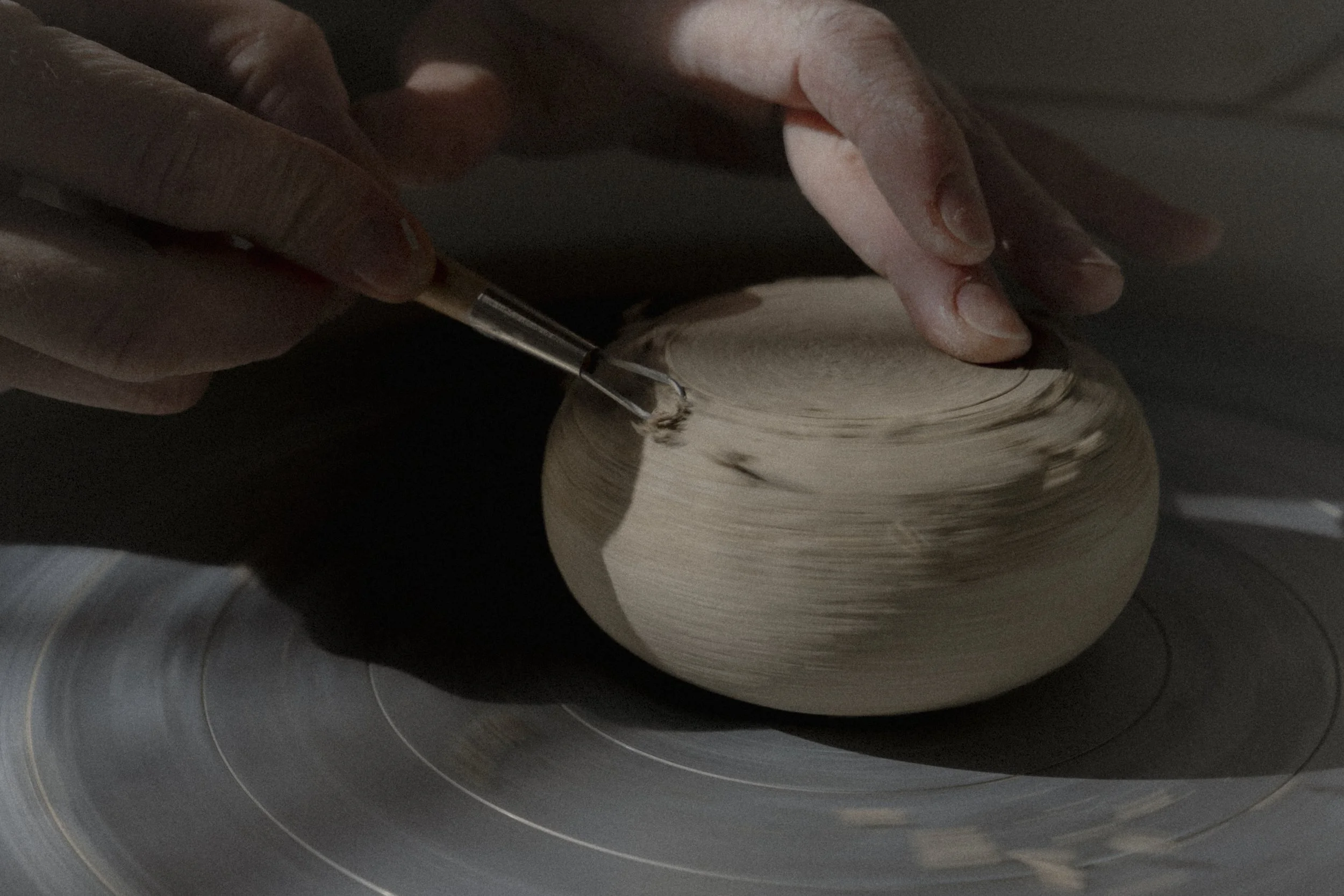
Photo by Laura Onvlee.
Every ceramic object ends up slightly different. Have you ever had a “mistake” that unexpectedly turned into a new idea or even an entire collection?
Definitely. Chance and mistakes are always part of the process in art. And to some extent also in craft, even though craft usually follows clearer rules, there’s more of a sense of what is right and what is wrong.
Ceramic work often sits somewhere in between, in that space between art and craft, and that’s where things get interesting.
Sometimes it’s actually shortcuts that lead to something new. You skip a step, maybe out of laziness or because you think it will still work, and in the end, something completely different comes out. At first, you’re a bit frustrated, but then you realise it’s actually better than what you originally planned.
That happens quite often. And it’s probably the most exciting part of the whole process.
In the beginning, I was much more afraid of mistakes. Now I’m a lot more open and experimental, because I know that this is how new things emerge. Even if they’re sometimes impossible to reproduce.
And you also learn much more about the material and the craft itself when you allow yourself to step off the path a little.
Let’s have some fun: If you could design a ceramic object not for a home, but for a completely unexpected context, what kind of object would you create? :)
I would probably go into something more architectural or fashion-related.
I love the idea of ceramics leaving the traditional context of tableware or interiors and moving into unexpected territories. Maybe something worn on the body, or something that interacts with movement.
I’m very interested in that intersection, where an object is no longer just functional in the classic sense, but becomes something more expressive, almost like a statement.
Do you see your studio evolving in a particular direction in the coming years, or do you prefer to leave space for the unexpected?
I definitely have ideas, dreams, and a certain direction in mind. But I’m also a bit superstitious when it comes to speaking about things too concretely before they happen.
What I can say is that I want to create more objects beyond classic tableware. I’m still very interested in functional ceramics, but I feel a strong pull towards collectible design and also towards fashion.
I’m curious about expanding the work into areas where objects become more than just everyday use, where they start to exist somewhere between design, art, and maybe even something you wear.
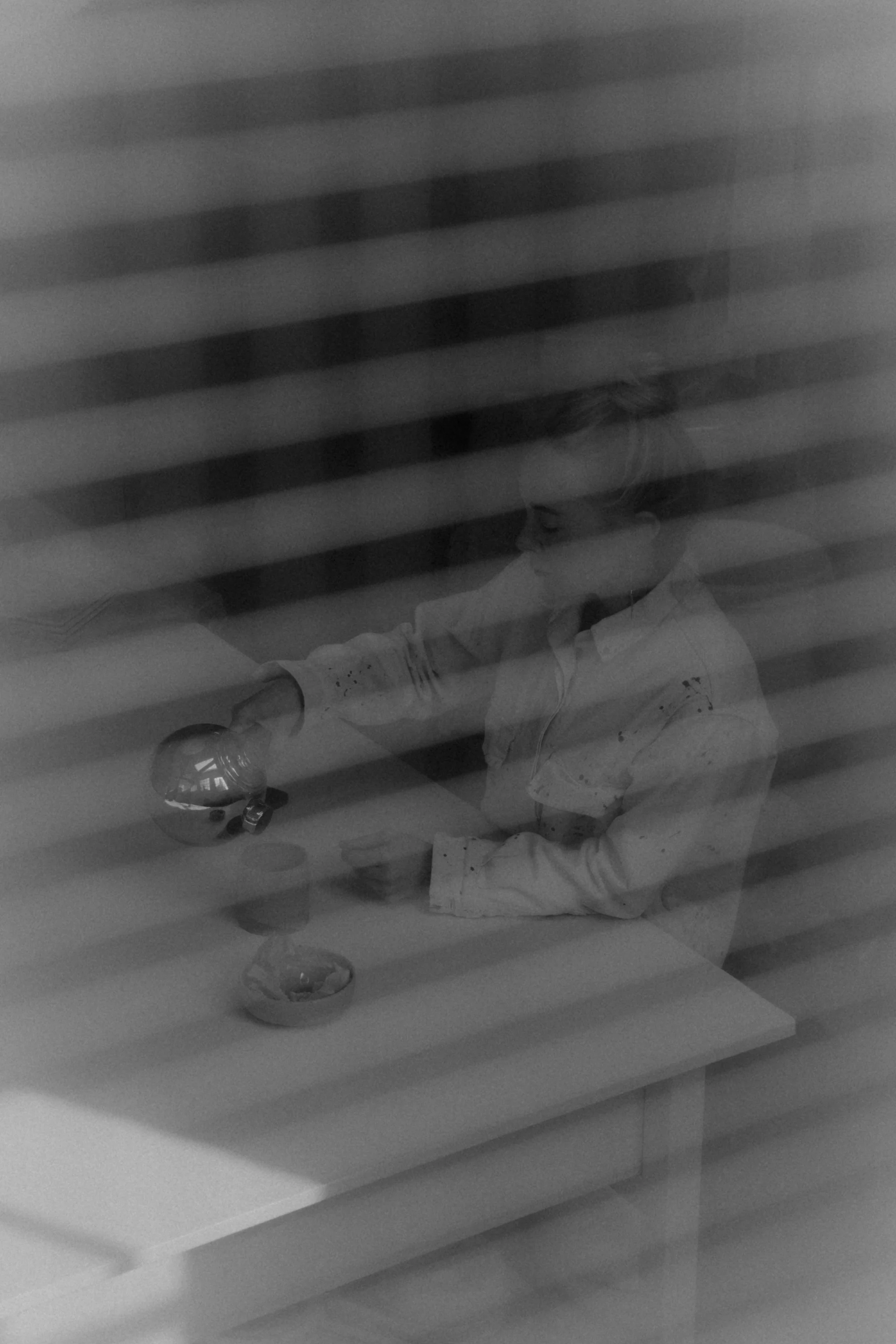
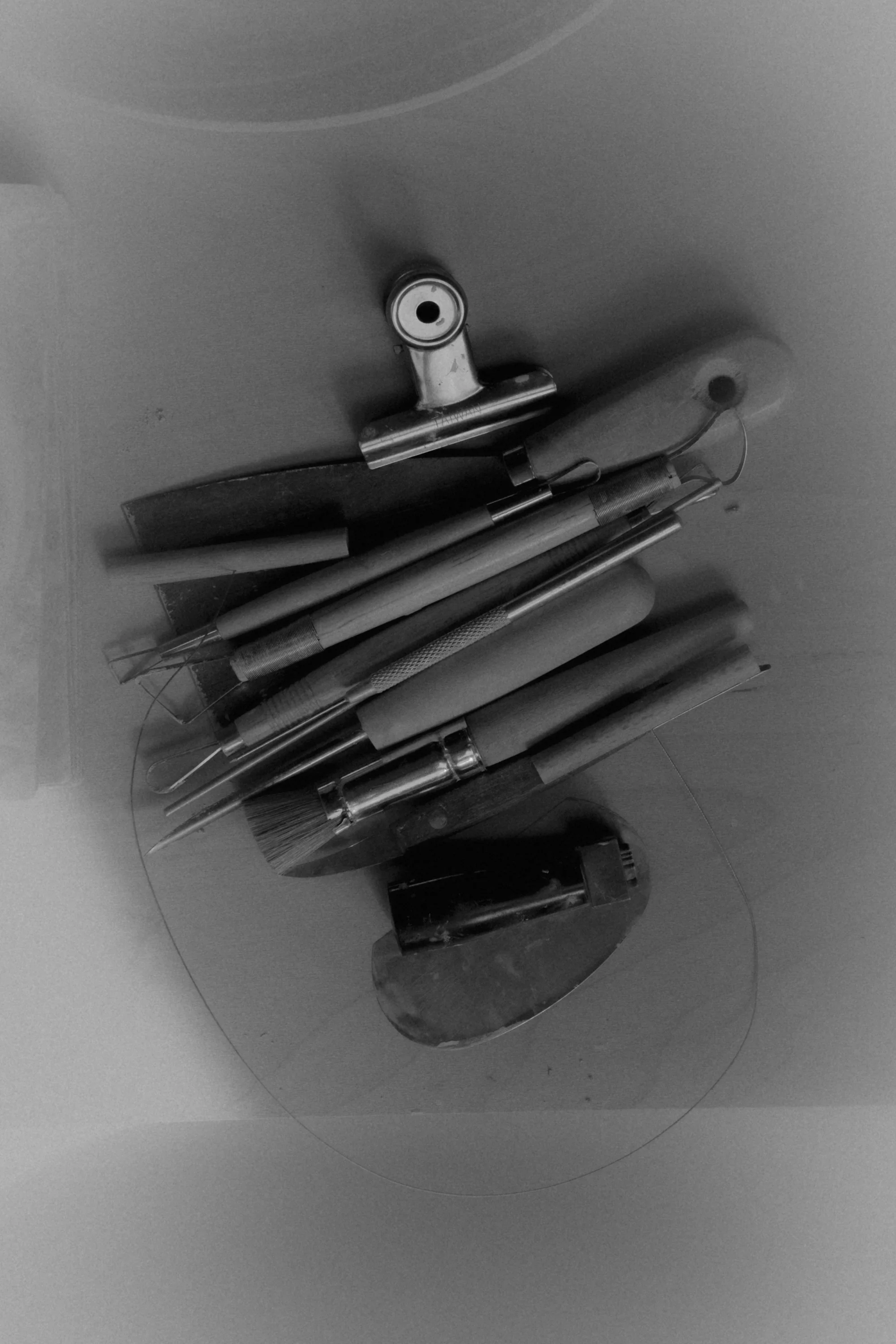
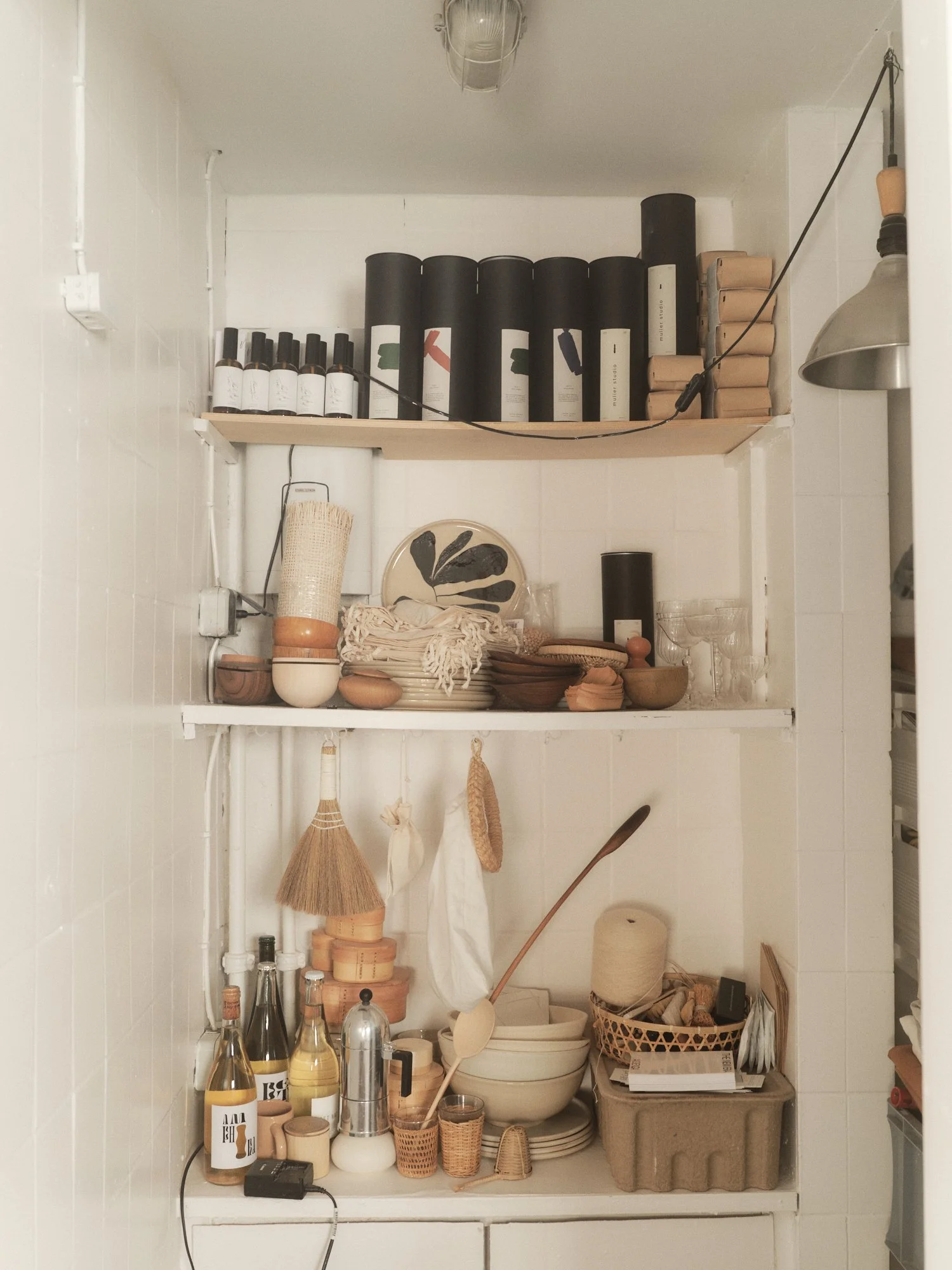
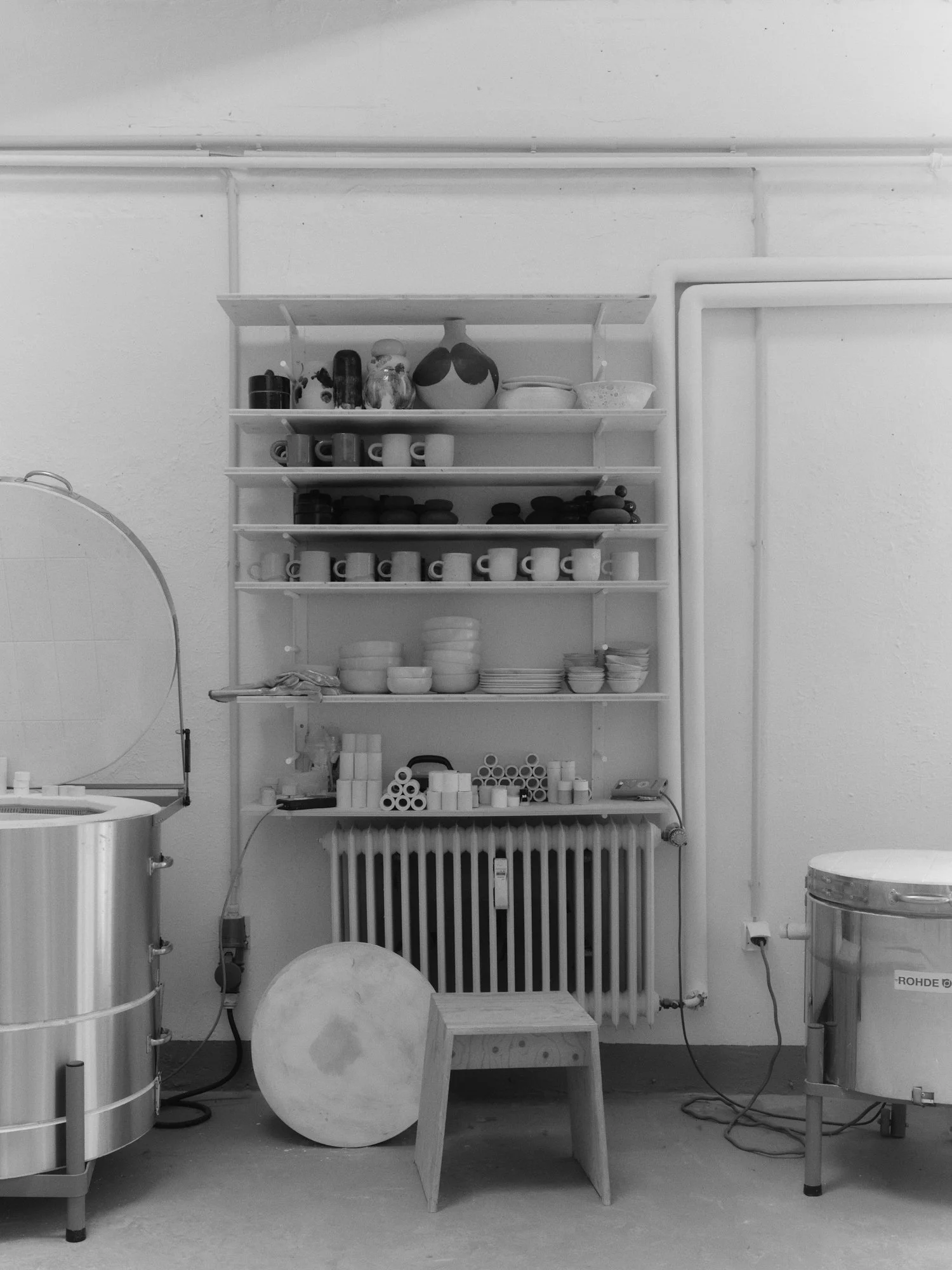
More images from the studio:
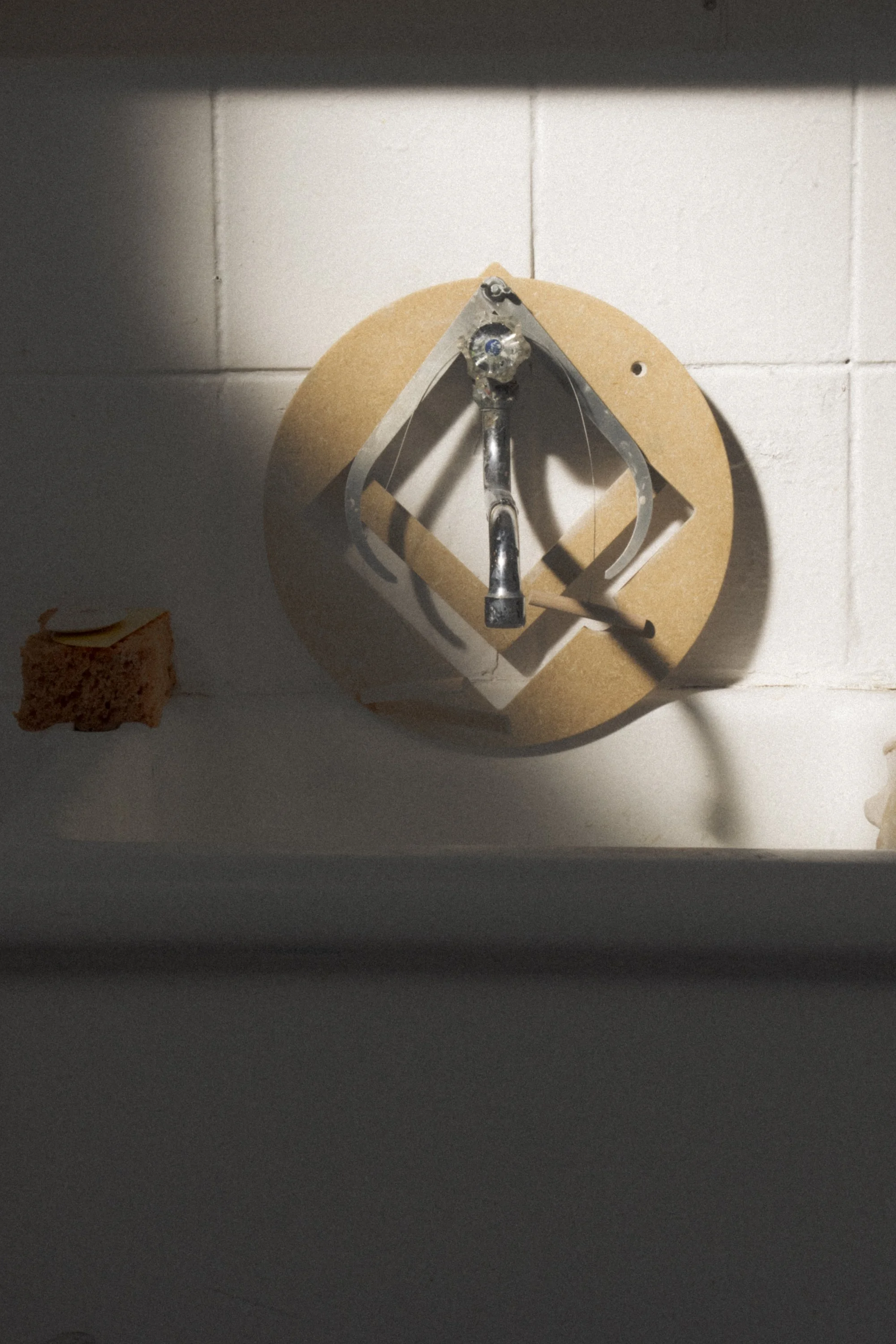
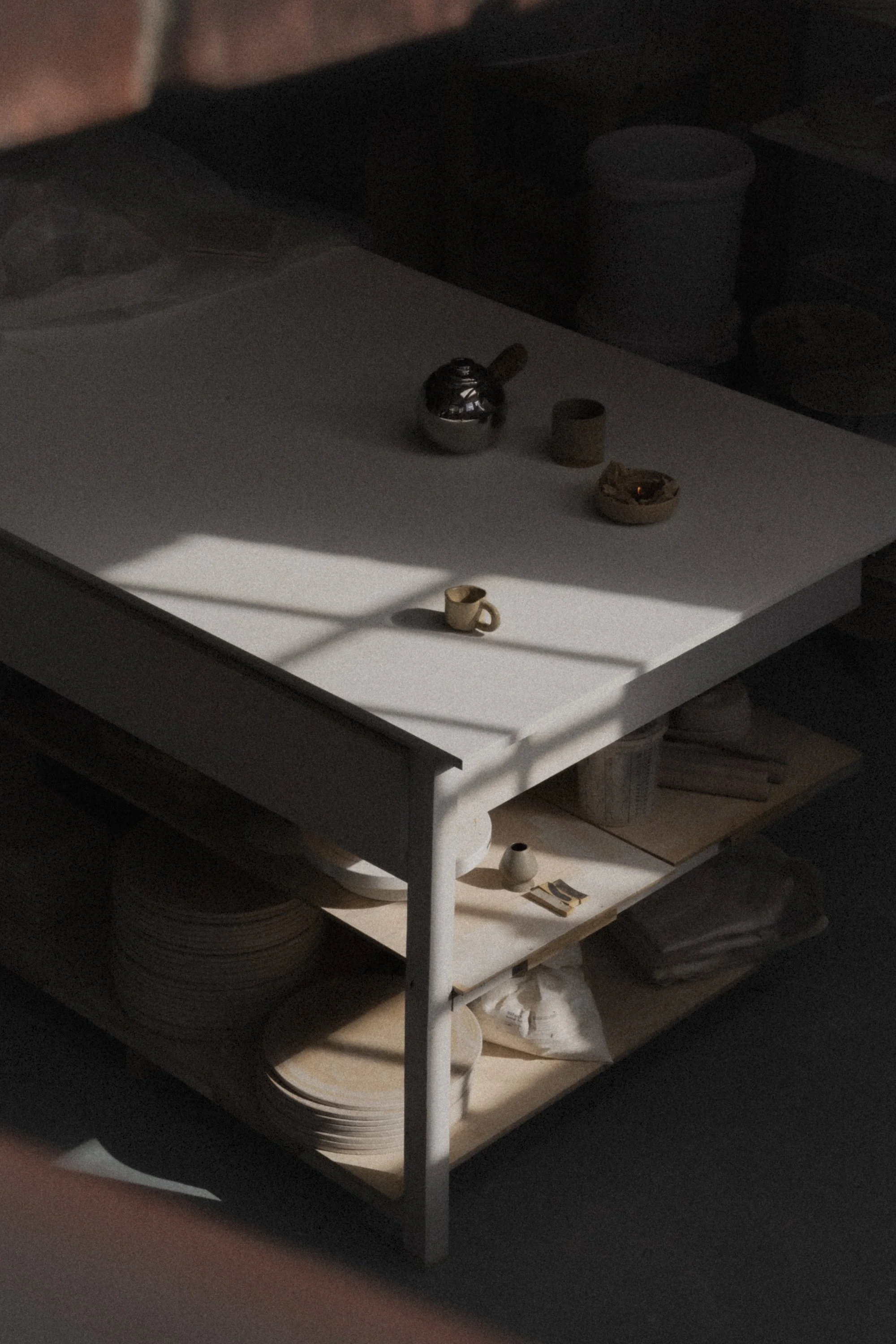
______________________
And a short remark from my side:
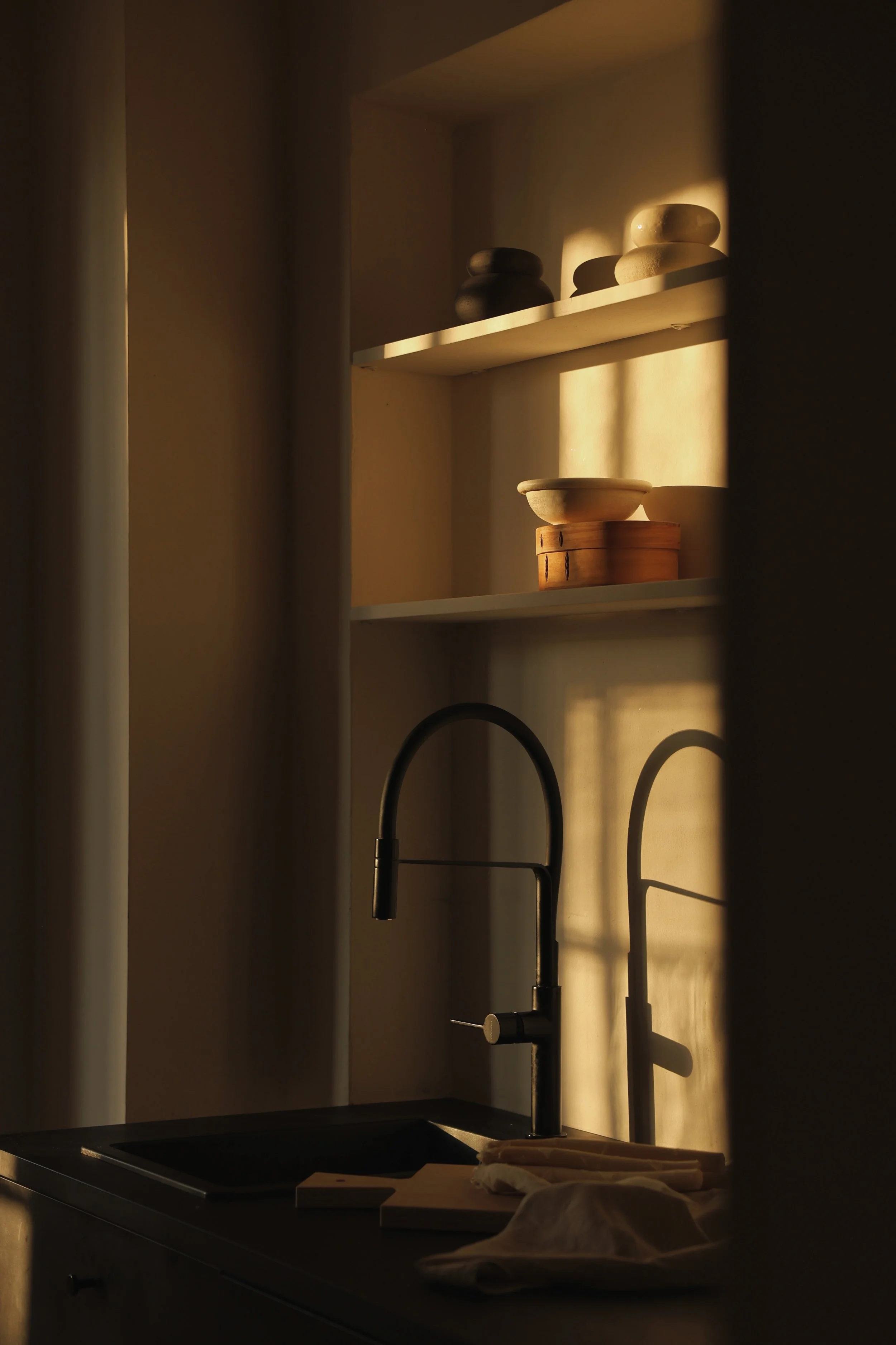
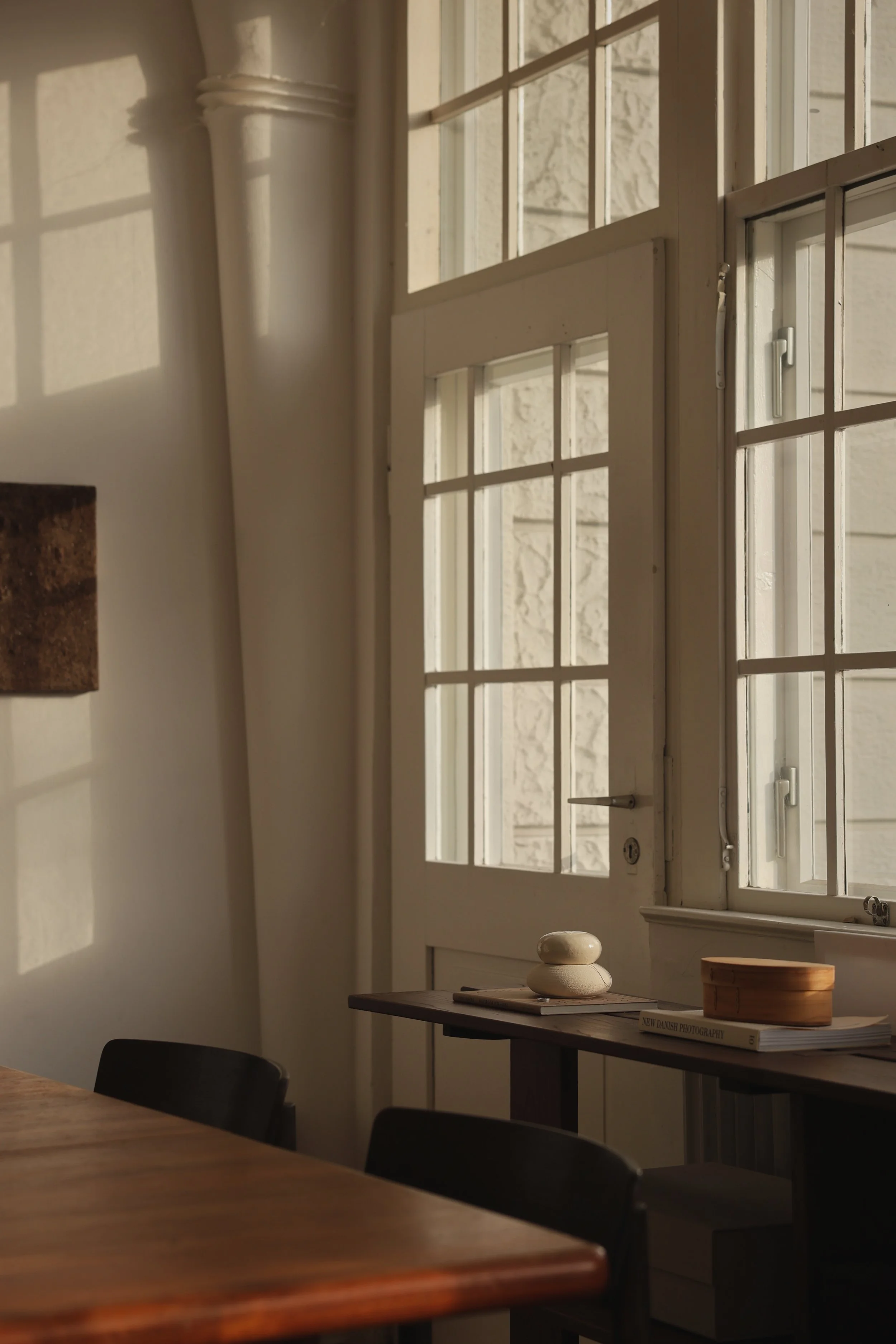
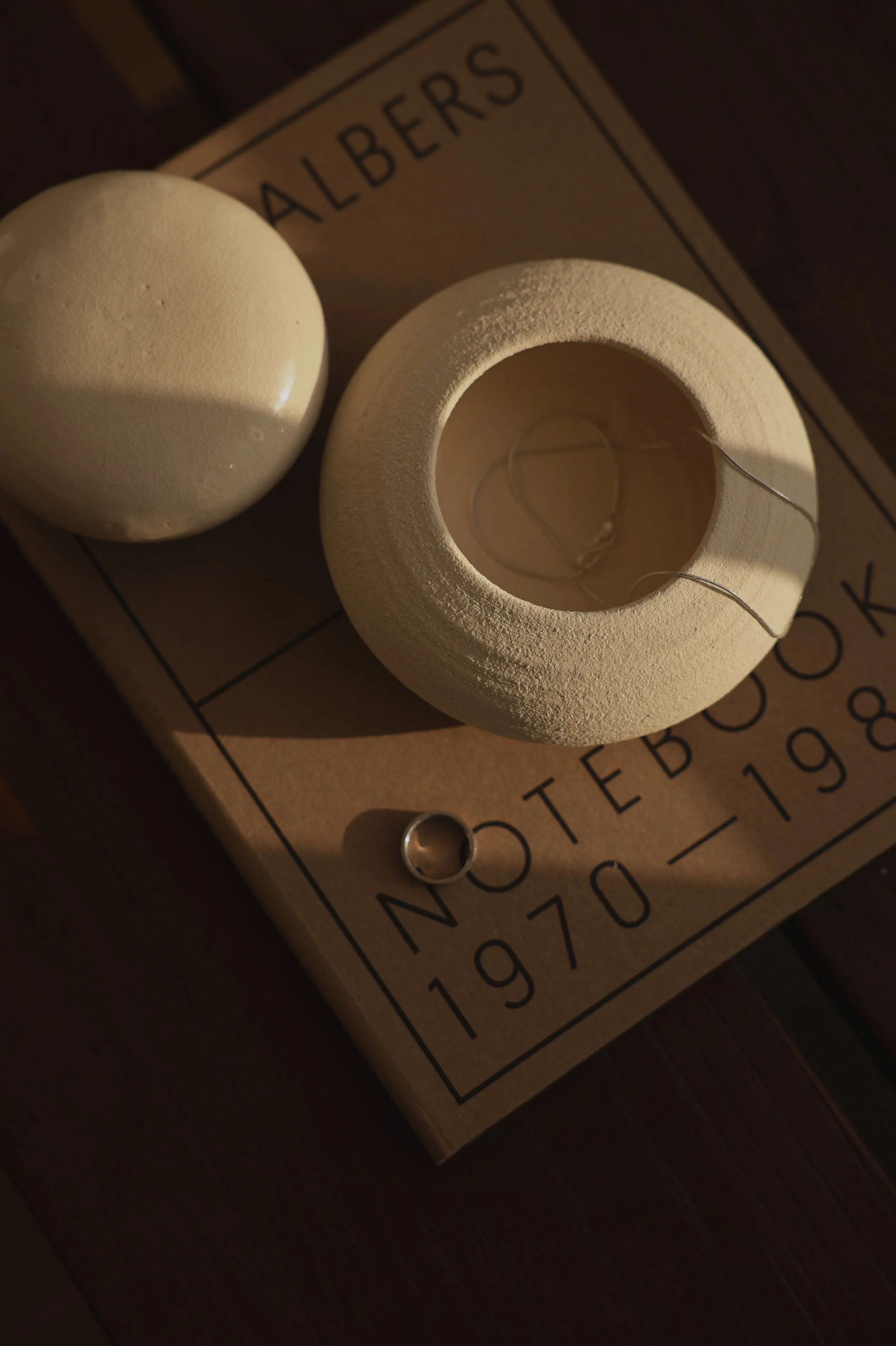
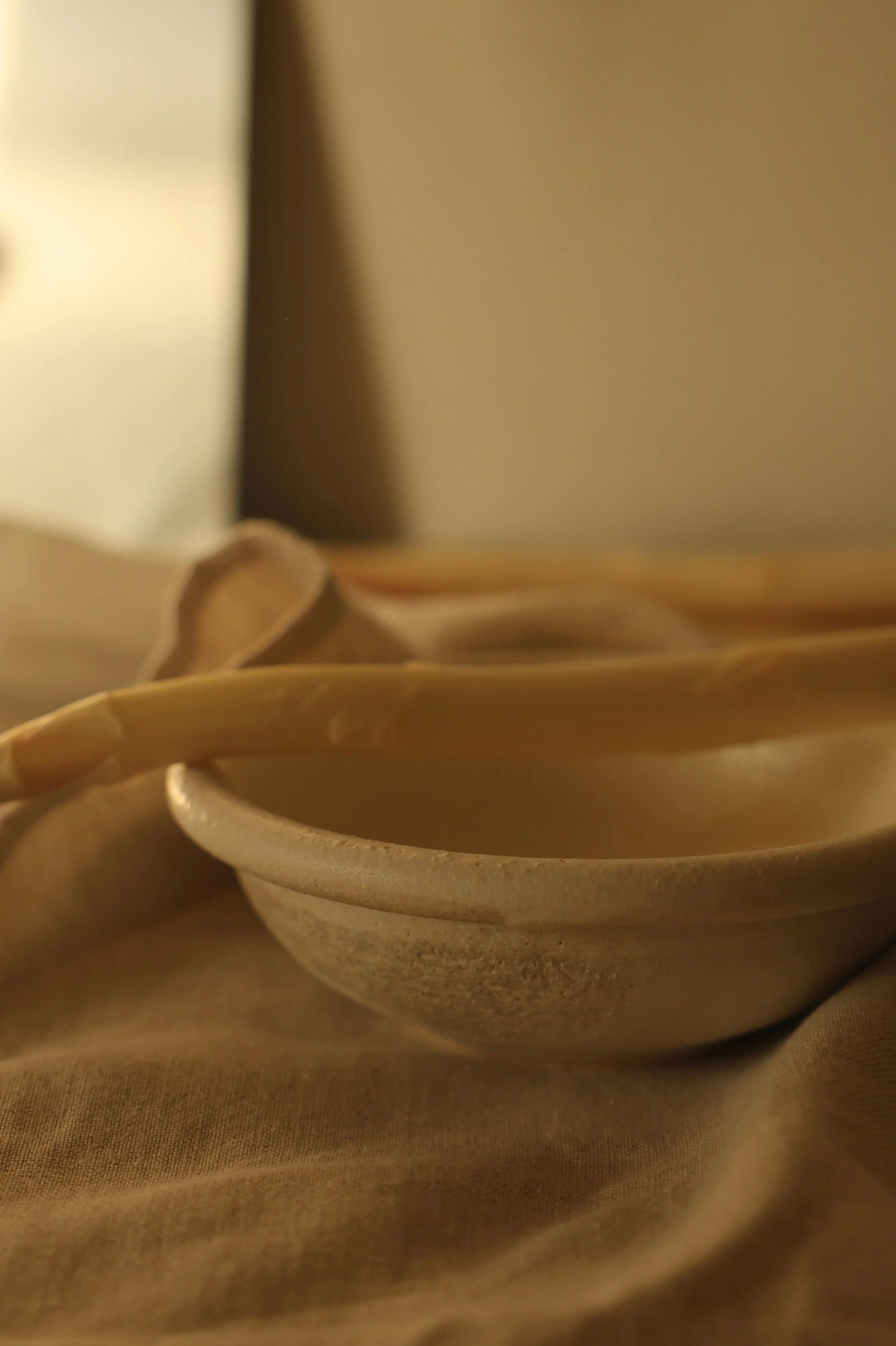
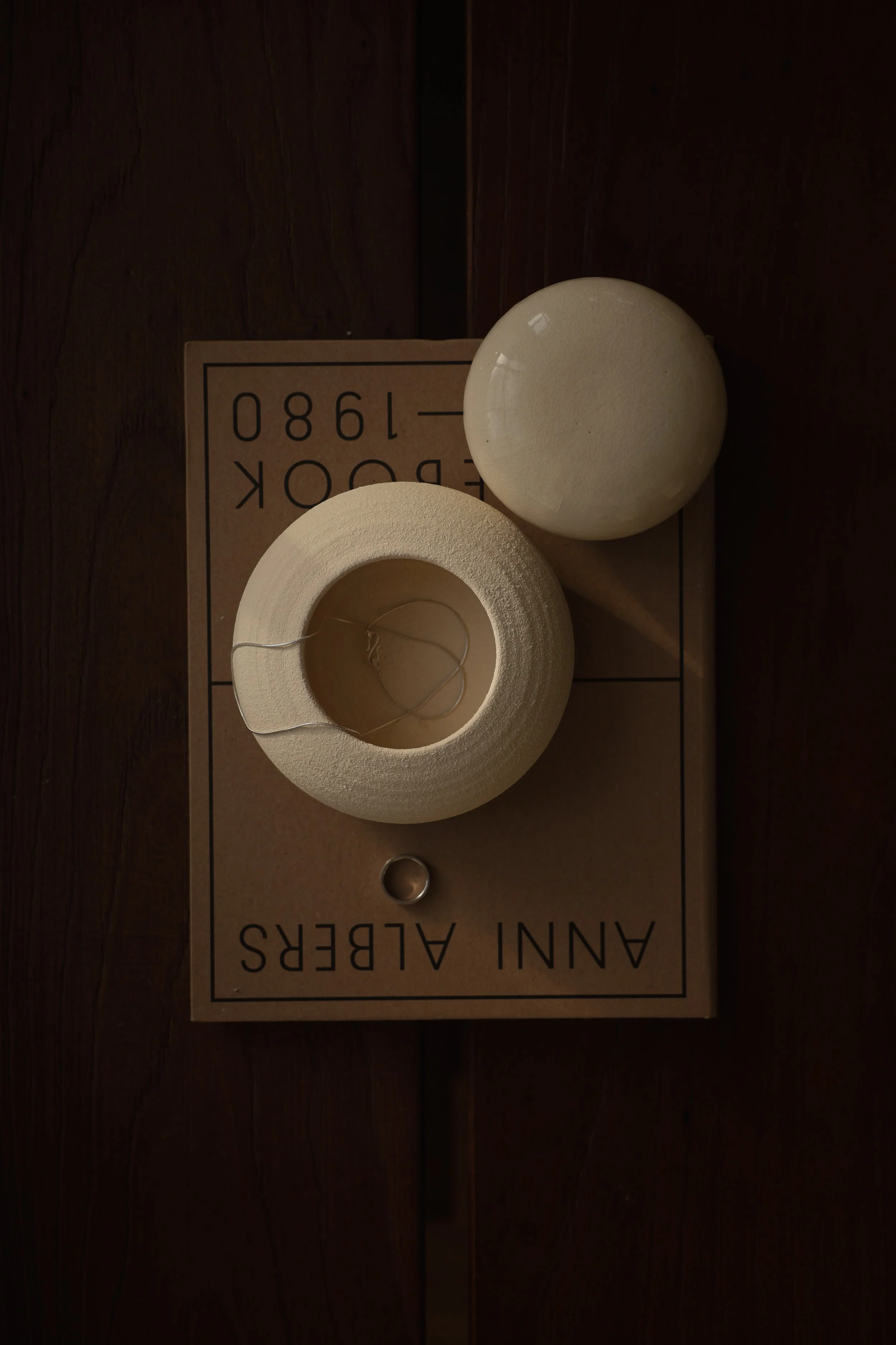
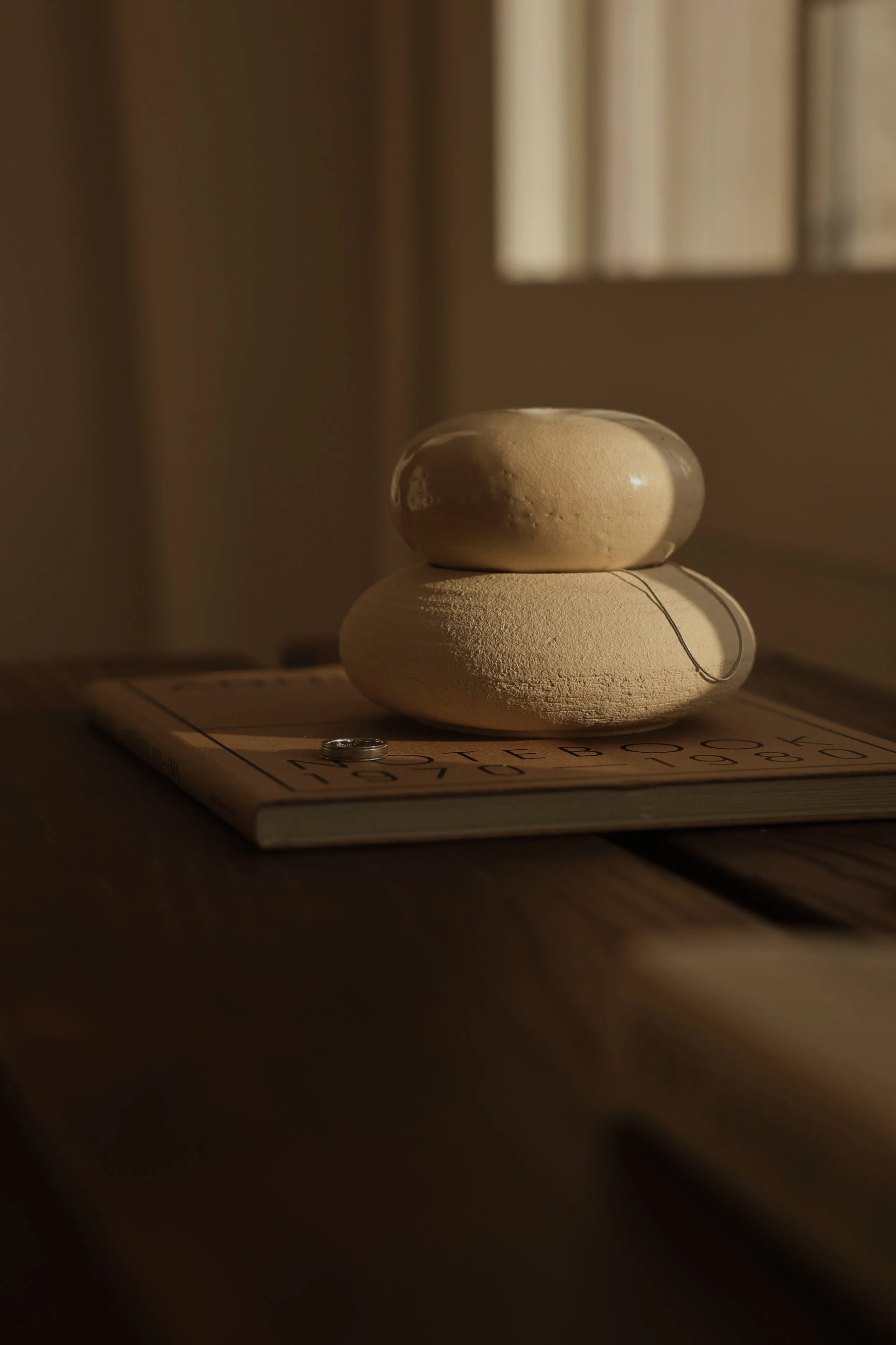
Ini’s objects have added so much warmth to my space (see images below) that I still move them from room to room, from surface to surface, because they elevate and add that special “perfectly imperfect“ touch to every place they occupy.
Thank you for your time, Ini!